


peso63 | The Immersive World of Simulation Games: Beyond Reality
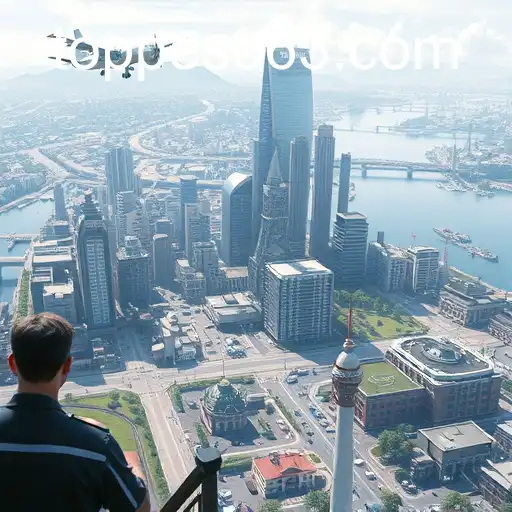
Simulation games have long been a cherished genre in the realm of video gaming, offering players an immersive experience that allows them to emulate real-world activities. This particular category has been popularized due to its extensive variety of sub-genres, ranging from life simulators and city-building games to the more niche farming and vehicle simulations. The versatility of simulation games is perhaps one of the primary reasons for their enduring popularity. They provide a sandbox-like environment where a player’s creativity and decision-making skills come to the fore, creating a unique blend of entertainment and education.
One of the intriguing facets of simulation games is their close resemblance to reality, which is achieved through intricate game mechanics and realistic graphics. Major titles in the simulation genre, such as The Sims, SimCity, and Farming Simulator, have set industry standards, paving the way for numerous others like them. These games often thrive on their ability to simulate complex systems and allow players to observe and interact with these systems dynamically. They essentially provide a controlled space where trial and error is encouraged without the risks often associated in real-life scenarios.
The appeal of simulation games is further amplified by the notion of control it offers to gamers. Whether it’s designing a city from the ground up, managing a bustling zoo, or piloting an airplane, simulation games allow players to experience professions and hobbies in a highly detailed virtual format. Adding to their appeal is the inclusion of educational aspects, as many simulation games incorporate real-world processes and principles, aiding players in learning about various industries and professions, simultaneously entertaining and educating them at different levels.
Furthermore, simulation games continue to evolve with advancements in technology. The onset of virtual reality and improved hardware capabilities are pushing the boundaries of what these games can achieve in terms of immersion and realism. Developers now have the tools to create environments that make the player feel as though they are truly part of the world they are manipulating.
However, the key to a successful simulation game lies not just in the level of detail or realism, but also in its accessibility and ability to captivate the user’s imagination. It is the perfect blend of challenge, satisfaction, and creativity that keeps players coming back for more, championing the simulation genre as a staple in the gaming industry.
